Debunking the 'Carney Bill' Claim: Media Sensationalism and Political Debates
A YouTube video claims a fictitious "Carney Bill" aims to criminalize truth-seeking in Canada. This misleading narrative misinterprets relevant bills like C-9, which focus instead on indigenous rights and heritage protections.
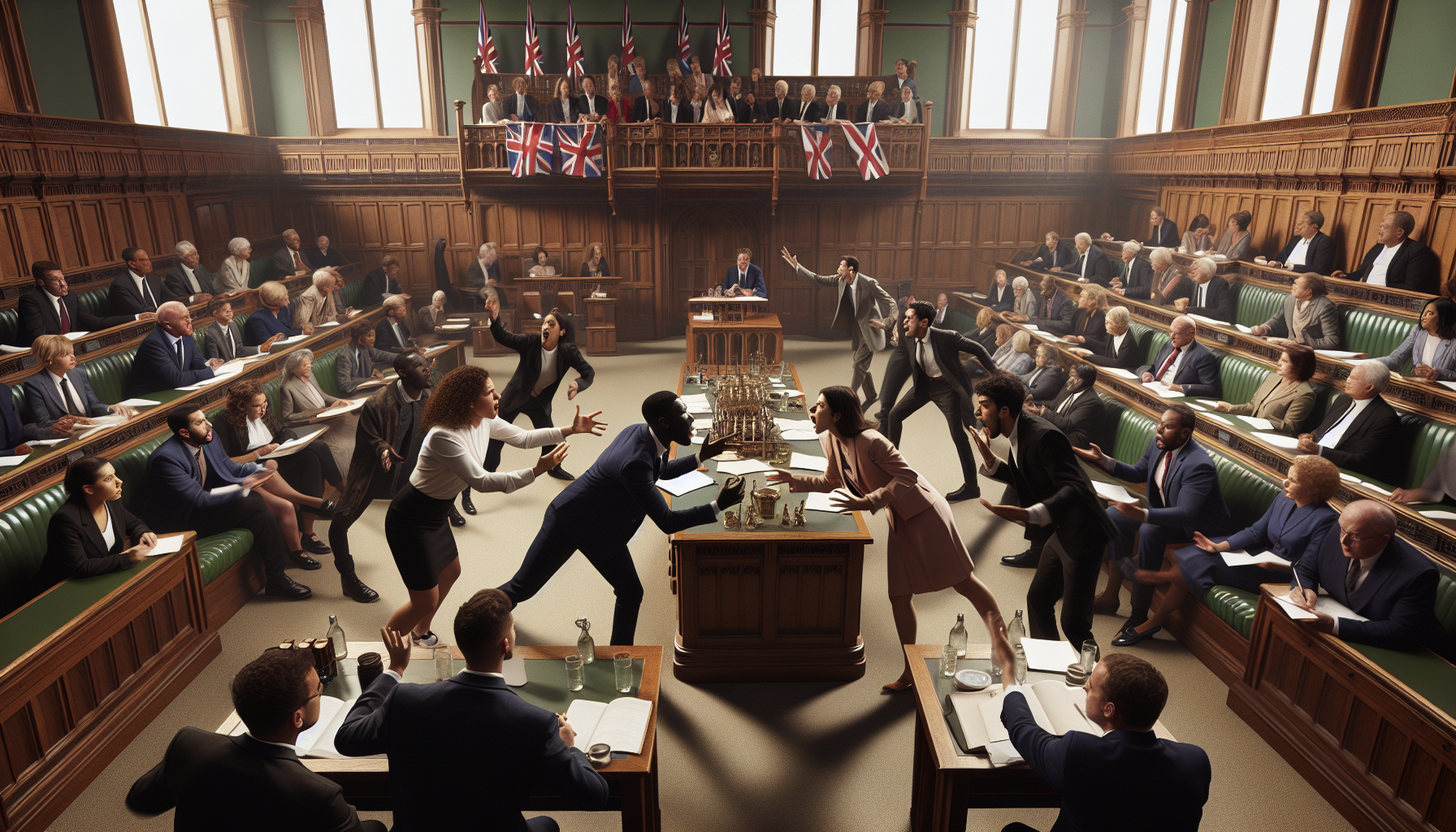
A recent video released by "Moose Loose" on YouTube claims that a so-called "Carney Bill" aims to criminalize uncovering national lies in Canada, sparking debate and controversy. However, a detailed examination reveals this to be a misleading narrative, stemming from misinformation and sensationalized interpretations of ongoing legislative discussions.
The "Carney Bill" Myth
The video in question suggests that a non-existent bill, supposedly backed by Mark Carney—depicted erroneously as the Prime Minister of Canada—intends to penalize those who uncover truths about national issues, such as fraud regarding indigenous grave investigations. This assertion is not supported by any credible evidence or legislative documentation.
Actual Legislative Context
What the video refers to as "Carney's Bill" is a distortion of ongoing legislative discussions like Bill C-9, which seeks to amend laws to protect sacred indigenous sites, including unmarked burial locations. These amendments do not criminalize truth-seeking activities but focus on preserving archaeological and cultural heritage.
Additionally, other snippets in the video claim media bias by portraying unconfirmed rumors as news, with allegations aimed at pushing a pro-Liberal narrative. Again, this reflects partisan criticism rather than systemic media practices.
Mark Carney's Real Position
In reality, Mark Carney has made speeches articulating the need for a rules-based international order and values-driven realism in Canadian geopolitics. There is no official stance or plan associated with him to suppress domestic discourse through new legislation.
Conclusion
The diffusion of exaggerated or false claims, as seen with the "Carney Bill," highlights the importance of critically examining sources and narratives. Legislation such as Bill C-9 and C-12 are focused on culturally and socially relevant issues, far removed from the interpretations presented in sensational media outlets.
Despite these clarifications, the video has prompted discussions about the influence of fringe media in shaping public perception and the role of platforms like YouTube in broadcasting highly interpretative and sometimes misleading content.