Tensions Rise in Canadian Parliament as Poilievre and Carney Clash Over Economic Policies
Pierre Poilievre criticizes Prime Minister Mark Carney in a heated parliamentary debate over economic policies and government spending, highlighting tensions within the Canadian political landscape.
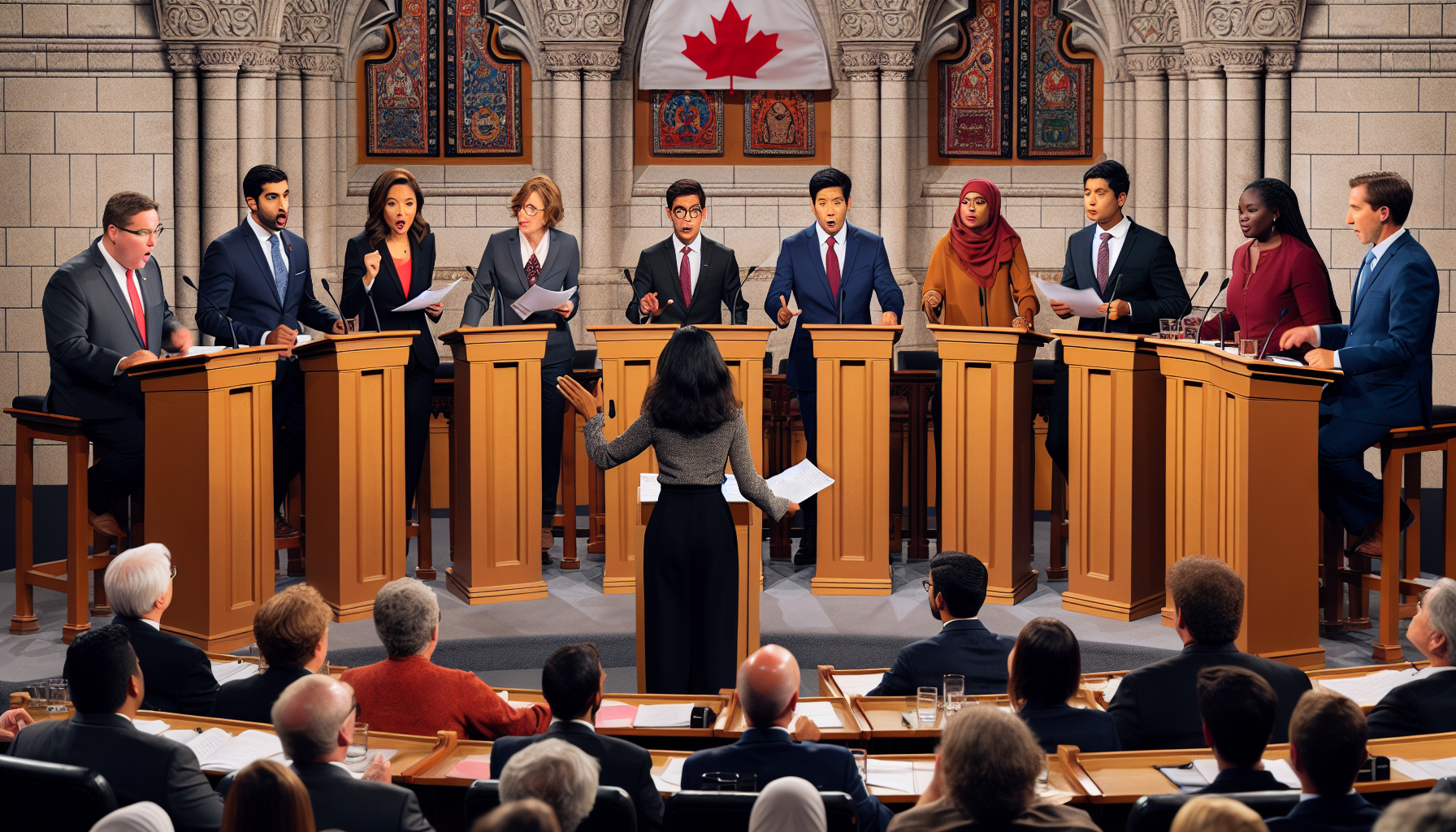
In a heated session at the Canadian House of Commons on February 25, 2026, Pierre Poilievre, the Leader of the Conservative Party, sharply criticized Prime Minister Mark Carney over his economic policies and fiscal management. The confrontation underscores the mounting tensions between the Conservative opposition and the Liberal government.
Poilievre challenged Carney's defense of his relatively brief tenure in office—highlighting Carney's claim that he had "just got here" with a biting comparison to a "temporary foreign worker." The Conservative leader's critique focused on a $5 billion cost overrun in a government project related to expanding Old Age Security and Employment Insurance benefits. Poilievre labeled the situation a "Liberal scandal," alleging that it mismanaged taxpayer money and threatened seniors' financial security.
Prime Minister Carney countered these accusations by asserting that the project was properly budgeted and had been reviewed by the Auditor General. He positioned the reforms as part of broader efforts to streamline government spending and emphasized achievements such as reducing the number of asylum seekers, temporary foreign workers, and international students.
This clash reflects ongoing partisan divisions in Ottawa, particularly over economic issues. Poilievre's attacks resonate with his established political strategy of economic populism. He has been a vocal critic of the Bank of Canada and has positioned himself as a proponent of cryptocurrency adoption, tax cuts, defunding the CBC, and repealing the carbon tax.
The latest parliamentary row comes amid political recalibration within the Conservative Party following a defeat in the 2025 federal elections. Poilievre, known as a "weak leader with a strong mandate," continues to draw on Reagan-era rhetoric as he navigates internal party challenges and faces off against Carney's administration.
Concurrently, while Yves-François Blanchet, leader of the Bloc Québécois, has not been specifically linked to this recent exchange, his party typically supports Quebec-based critiques of federal oversight, adding another layer to the complex political landscape in Canada.
This session captures the underlying ideological contest between the two major parties as they vie for public support on key issues of governance and economic policy. It also highlights the scrutiny Carney's government continues to face one year after the Conservatives' electoral setback.